
Wart Removal
Wart Removal Near You
A wart on your foot can make every step uncomfortable. Whether it hurts when you walk or bothers you, you do not have to live with it. At University Podiatry Group, we treat foot warts with professional podiatric care. Our team uses medical treatments to reduce wart tissue, support healing, and help protect the surrounding skin.
If you have been dealing with a stubborn wart for weeks or months, it may be time to see a podiatrist.
What Is a Foot Wart?
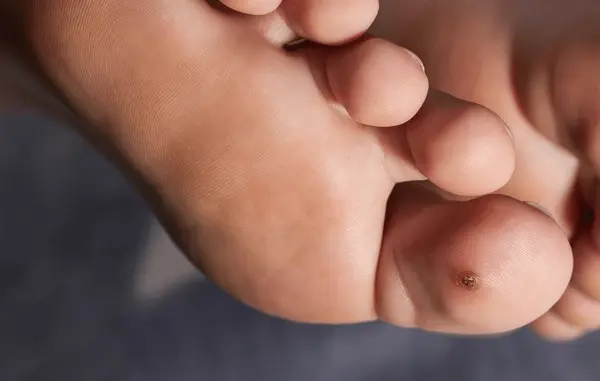
A foot wart is a skin growth caused by the human papillomavirus, also called HPV. Warts that grow on the bottom of the foot are called plantar warts. The virus can enter your skin through small cuts, cracks, or weak areas on the foot.
Plantar warts often feel rough, thick, and hard to the touch. Some may have tiny black dots inside them, which are small blood vessels. Because these warts grow on weight-bearing areas, many people say it feels like they are stepping on a small rock or pebble.
Common signs of a plantar wart include:
A rough, grainy patch of skin on the sole of your foot
A small, hardened bump that feels tender when pressed
Black pinpoints in the center
Pain or discomfort when walking or standing
Warts can spread to other parts of your foot or to other people. Touching, picking, or cutting the wart may also spread the virus.
Why Choose Wart Removal?
Some warts go away on their own, but plantar warts can be painful, stubborn, or slow to clear. Professional wart removal can help treat the wart safely and reduce the risk of skin irritation from improper home care.
Wart removal may help:
Reduce pain when walking or standing
Treat wart tissue in a controlled medical setting
Lower the risk of spreading the wart to nearby skin
Protect healthy skin from damage
Improve comfort in shoes
Guide care for warts that keep coming back
If you have diabetes, poor circulation, nerve problems, or a weakened immune system, it is safer to have a foot wart checked by a podiatrist.
Causes and Risk Factors
Anyone can get a foot wart, but some people have a higher risk.
Common causes and risk factors include:
Walking barefoot in public places
Sweaty feet
Small cuts or cracks in the skin
A weakened immune system
Sharing shoes or socks
Being a child or teenager
Touching or picking at an existing wart
The virus grows well in warm, moist environments. Wearing sandals in public showers, pools, and locker rooms can help lower your risk.
Wart Removal Treatments We Offer
At University Podiatry Group, treatment depends on the size, depth, location, and how long you have had the wart.
Cryotherapy
Cryotherapy uses liquid nitrogen to freeze the wart tissue. More than one treatment may be needed.
Salicylic Acid Treatment
Prescription-strength salicylic acid may be applied to the wart to help remove infected layers of skin over time.
Laser Treatment
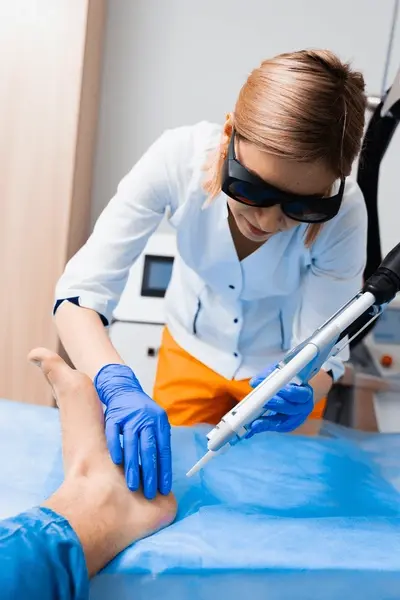
Laser treatment may be considered for certain warts that do not respond to other treatments. It targets the wart tissue and small blood vessels involved.
Surgical Removal
In some cases, our podiatrist may remove the wart in the office using local anesthesia.
Immunotherapy
Immunotherapy may be used for stubborn or recurring warts. This approach helps your immune system respond to the virus.
What to Expect During Your Visit
Your visit to University Podiatry Group is designed to be clear and comfortable.
Initial Consultation
We review your symptoms, medical history, and how long the wart has been present.
Detailed Foot Examination
Our podiatrist examines the wart, checks the surrounding skin, and confirms whether it is a wart or another skin concern.
Treatment Plan
We explain your options and recommend treatment based on your wart and overall foot health.
In-Office Treatment
If treatment is done that day, we explain each step before we begin.
Follow-Up Care
Follow-up visits may be needed because some warts require more than one treatment.
Preventing Warts From Spreading
You can help reduce the risk of spreading warts by:
Wearing sandals in public showers, pools, and locker rooms
Keeping your feet clean and dry
Changing socks daily
Avoiding picking or scratching the wart
Not sharing shoes, socks, towels, or nail tools
Covering the wart when recommended
Locations We Serve
University Podiatry Group provides wart removal care at several convenient office locations.
Westwood Office
Santa Monica Office
Torrance Office
Santa Clarita Office
Porter Ranch Office
Westlake Village Office
Why Choose University Podiatry Group for Wart Removal?
Our patients choose us because we provide focused foot and ankle care in a supportive setting. Our care includes:
Experienced podiatric care
Personalized treatment plans
Modern wart treatment options
Care for children and adults
Clear explanations before treatment
Follow-up care when needed
Book Your Wart Removal Appointment Today
Do not let a plantar wart make walking uncomfortable. If your wart is painful, spreading, or not improving, University Podiatry Group is here to help.
Call us today or request an appointment online.
FAQs
Does removing a wart hurt?
Some treatments may cause mild discomfort, such as a cold sting, pressure, or a quick pinch. We will explain what to expect before treatment begins.
How did I get a wart in the first place?
Foot warts are caused by HPV. The virus can enter through small cuts or cracks in the skin, often from walking barefoot in warm, moist public areas.
Can I just cut it off myself?
No. Cutting a wart at home can cause pain, bleeding, infection, or spreading. It is safer to have a podiatrist examine and treat it.
How many visits will I need?
It depends on the wart. Some respond quickly, while others need several treatments. We will explain the expected plan after your exam.
How can I stop warts from coming back?
Wear sandals in public showers, change your socks daily, keep your feet dry, and avoid sharing your shoes or towels. Do not pick at your warts, as this can spread the virus.