
Ingrown Toenail Treatment
Ingrown Toenail Treatment Near You
Ingrown toenails are a common foot problem that can cause pain, swelling, and infection. This condition can make walking, wearing shoes, and daily activities uncomfortable.
At University Podiatry Group, we treat ingrown toenails safely. Our goal is to reduce pain, treat any infection, and help lower the risk of the problem recurring. We provide clear, easy-to-understand care focused on long-term foot health.
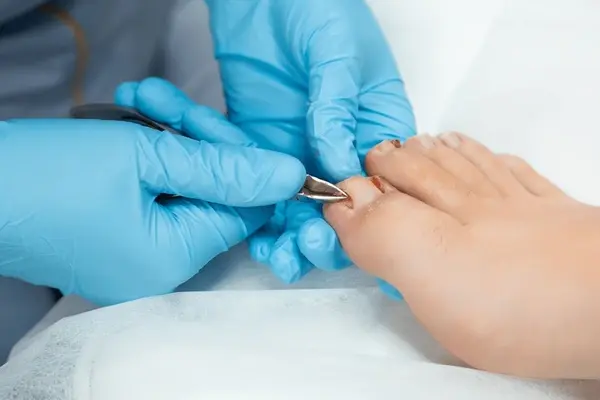
What Is an Ingrown Toenail?
An ingrown toenail happens when the edge of the toenail grows into the surrounding skin instead of over it. This usually affects the big toe. It can cause redness, swelling, tenderness, and pain when you press on the toe or wear shoes. In some cases, pus or drainage may appear.
Ingrown toenails can happen to anyone, but they are more common when nails are cut too short, shoes are too tight, or there is injury to the toe. They can also come back if the nail edge keeps growing into the skin.
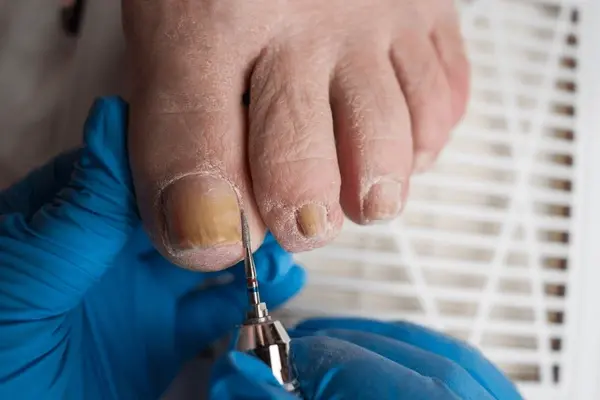
Why Choose Ingrown Toenail Treatment?
An ingrown toenail may start as a small irritation, but it can become more painful if it is not treated. Professional care can help relieve pressure, treat infection when needed, and protect the surrounding skin.
You should schedule an appointment if you notice:
Pain along the side of the toenail
Redness or swelling around the nail
Pus or fluid draining from the toe
Redness spreading beyond the nail area
Pain when walking or wearing shoes
An ingrown nail that keeps coming back
If you have diabetes, poor circulation, or nerve problems in your feet, do not try to treat an ingrown toenail at home. Even a small nail problem can become more serious, so it is safer to have it checked by a podiatrist.
Improper nail trimming
Cutting nails too short or in a curved shape instead of straight across is the number one cause.
Tight or ill-fitting shoes
Shoes that press the toes together force the nail to grow inward.
Nail trauma or injury
Stubbing your toe or dropping something on it can change how the nail grows.
Hereditary nail shape
Some people are born with naturally curved or fan-shaped nails that are more prone to this condition.
Hyperhidrosis
Excessive foot sweating makes the skin soft, which makes it easier for the nail to dig in.
Repeated pressure on the toes
Athletes and people who run frequently are at higher risk.
Poor foot hygiene
Not keeping feet clean and dry can raise the risk of infection once the nail begins to grow inward.
Common Causes of Ingrown Toenails
There are several reasons an ingrown toenail can develop. Common causes include:
Improper nail trimming
Cutting nails too short or rounding the corners can encourage the nail to grow into the skin.
Tight or ill-fitting shoes
Shoes that press the toes together can force the nail edge into the skin.
Toe injury
Stubbing your toe or dropping something on it can change how the nail grows.
Inherited nail shape
Some people naturally have curved nails that are more likely to become ingrown.
Excessive sweating
Sweaty feet can soften the skin and make it easier for the nail to press into it.
Repeated pressure
Running, sports, or work shoes that press on the toes can increase the risk.
Poor foot hygiene
Not keeping feet clean and dry may raise the risk of infection once the nail becomes irritated.
Ingrown Toenail Treatment Options
At University Podiatry Group, treatment depends on the severity of the ingrown toenail, whether infection is present, and whether the problem has happened before.
Conservative Care for Mild Cases
If the ingrown nail is caught early, care may include warm water soaks, proper bandaging, careful nail care, and guidance on shoe choice and nail trimming. This approach may help when there is no spreading infection.
Partial Nail Avulsion
For a more painful or persistent ingrown toenail, our podiatrist may remove the small section of nail that is digging into the skin. The toe is numbed with local anesthetic first, so you should not feel sharp pain during the procedure.
Chemical Matricectomy
If the same ingrown toenail keeps coming back, our podiatrist may apply a chemical to the nail matrix, the area where the nail grows from. This helps prevent the edge of the nail from growing back and lowers the risk of recurrence.
Infection Management
If infection is present, care may include drainage, wound care, and, in some cases, antibiotics. The right approach depends on the severity and whether the infection is spreading.
What to Expect During Your Visit
Your visit to University Podiatry Group is designed to be simple and comfortable.
Initial Consultation
We review your symptoms, medical history, footwear, and whether the ingrown nail has happened before.
Detailed Examination
Our podiatrist checks the toe for pain, swelling, redness, drainage, nail shape, and signs of infection.
Diagnosis and Treatment Plan
We explain what is happening and review your treatment options in simple language.
In-Office Treatment, if Needed
If a procedure is recommended, the toe is numbed before the ingrown section is removed.
Follow-Up Care
We give you clear home care instructions and may schedule a follow-up visit to check healing.
Preventing Ingrown Toenails
Simple habits may help lower the risk of future ingrown toenails:
Cut toenails straight across.
Avoid cutting nails too short.
Wear shoes with enough room for your toes.
Keep your feet clean and dry.
Change socks regularly if your feet sweat.
Seek care early if nail pain returns.
Locations We Serve
University Podiatry Group provides ingrown toenail treatment at several convenient locations.
Westwood Office
Santa Monica Office
Torrance Office
Santa Clarita Office
Porter Ranch Office
Westlake Village Office
Why Choose University Podiatry Group for Ingrown Toenail Treatment?
Patients choose University Podiatry Group because we focus on safe, gentle, and clear care. Our podiatrists treat ingrown toenails and other foot conditions using practical treatment plans based on each patient’s needs.
Our care includes:
Experienced podiatric care
In-office treatment options
Clear explanations before treatment
Support for recurring ingrown toenails
Guidance to help reduce future nail problems
Follow-up care when needed
Book Your Ingrown Toenail Appointment Today
Do not wait for toe pain to get worse. If an ingrown toenail is making it hard to walk, wear shoes, or stay comfortable, University Podiatry Group is here to help.
Call us today or request an appointment online.
FAQs
Does ingrown toenail treatment hurt?
We use local anesthetic to numb the toe before an in-office procedure. You may feel a small pinch from the injection, but the area should be numb before treatment begins.
Can I walk after the procedure?
Most patients can walk after the procedure, but the toe may feel sore. Wearing open-toe shoes or loose shoes can help protect the area.
How long does it take to heal?
Healing time varies. Many patients feel better within a few days, but the skin may take one to two weeks or longer to heal depending on the procedure and overall health.
Should I try to cut the nail myself at home?
It is better not to dig into the nail or cut deeply into the side of the toe. This can make the problem worse or increase the risk of infection.
How can I stop this from happening again?
Cut your toenails straight across, avoid cutting them too short, and wear shoes with enough room for your toes. If the same nail keeps becoming ingrown, our podiatrist can discuss longer-term treatment options.