
Diabetic Foot Care Treatment
Diabetic Foot Care Treatment Near You
If you have diabetes, your feet need extra attention. Diabetes does not just affect your blood sugar. It can also damage the nerves and blood vessels in your feet. When that happens, small cuts, blisters, or sores may become serious without proper care.
At University Podiatry Group, we help people with diabetes keep their feet healthy. Our podiatric office is here to catch problems early, treat concerns promptly, and help you lower the risk of future foot complications.

What Is Diabetic Foot Care?
Diabetic foot care is medical care focused on protecting the feet of people with diabetes. It includes regular foot exams, wound care, nail and skin care, circulation checks, nerve testing, footwear guidance, and education.
Diabetes can affect your feet in several ways:
Nerve damage
Peripheral neuropathy can make it harder to feel pain, heat, pressure, or injuries in your feet.
Reduced blood flow
Poor circulation can slow healing and make wounds harder to manage.
Dry skin
Nerve changes can reduce natural moisture, causing dry or cracked skin.
Higher infection risk
Cuts, cracks, or ulcers may become infected more easily.
Foot ulcers
A diabetic foot ulcer is an open sore that needs prompt medical care.
If foot problems are not treated in time, they can lead to infection, hospitalization, or in serious cases, amputation. That is why regular care is so important.
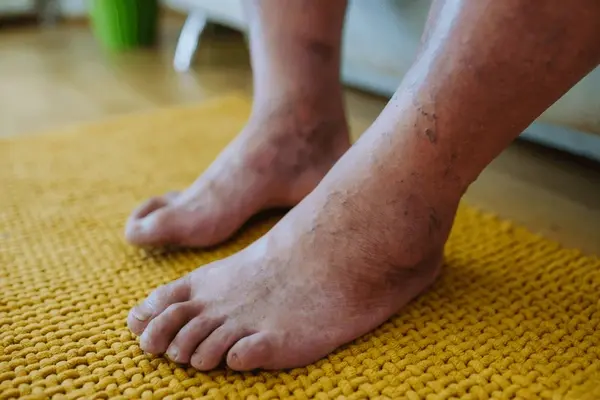
Why Choose Diabetic Foot Care?
Diabetic foot care can help protect your feet before small concerns become bigger problems. You may not always feel an injury, so regular exams are important even when your feet seem fine.
Diabetic foot care may help:
Find sores, cuts, or pressure areas early
Check for nerve damage or circulation problems
Support wound healing
Reduce the risk of infection
Protect your skin and nails
Guide safer footwear choices
Help you care for your feet at home
Warning Signs You Should Not Ignore
Many people with diabetes do not notice foot problems until they become more serious. Call our podiatric office if you notice:
Red spots or warm areas on your foot
Open sores, blisters, or cuts that are slow to heal
Corns or calluses
Numbness, tingling, or burning in your feet
Swelling or changes in skin color
Drainage or an unpleasant odor
Pain when walking
A wound you cannot feel
If you notice any of these signs, do not wait. Early treatment may help prevent more serious complications.
Diabetic Foot Care Services
At University Podiatry Group, your care depends on your foot health, symptoms, and risk level.
Routine Foot Exams
We check your feet for sores, calluses, skin changes, structural changes, nerve damage, and signs of poor circulation. Many people with diabetes should have a comprehensive foot exam at least once a year, and some patients need more frequent care based on their risk level. (NCBI)
Wound Care and Ulcer Treatment
We clean, dress, and monitor diabetic foot ulcers to help reduce infection risk and support healing.
Debridement
Debridement means removing dead or infected tissue from a wound. This can help create a healthier area for healing.
Custom Orthotics and Footwear Guidance
Poorly fitting shoes can cause pressure, rubbing, and injury. We may recommend custom orthotics, diabetic shoes, or shoe changes to help protect your feet.
Nerve and Circulation Testing
We may test for peripheral neuropathy and circulation problems to better understand your risk.
Infection Treatment
If infection is present, we treat it promptly and recommend the right next steps based on severity.
Preventive Education
We teach you how to inspect your feet, care for your skin and nails, and avoid common foot risks.
Foot Care Tips for People With Diabetes
Daily care can help protect your feet:
Check your feet every day, including the bottoms and between your toes.
Use a mirror if you cannot see the bottom of your feet.
Wash your feet with warm water and dry between your toes.
Moisturize dry skin, but avoid lotion between your toes.
Do not walk barefoot, even at home.
Wear shoes that fit well and do not rub.
Check inside your shoes before putting them on.
Do not cut corns, calluses, or warts yourself.
Locations We Serve
University Podiatry Group provides diabetic foot care at several convenient locations.
Westwood Office
Santa Monica Office
Torrance Office
Santa Clarita Office
Porter Ranch Office
Westlake Village Office
Why Choose University Podiatry Group for Diabetic Foot Care?
We focus on prevention, early treatment, and clear communication.
Our care includes:
Experienced diabetic foot care
Routine foot exams and risk checks
Wound care and ulcer treatment
Nerve and circulation testing
Custom orthotics and footwear guidance
Education to help protect your feet at home
Schedule Your Diabetic Foot Care Appointment Today
Do not wait until a small problem becomes serious. If you have diabetes, regular foot care can help protect your long-term health.
Call University Podiatry Group today or request an appointment online.
FAQs
How often should someone with diabetes see a podiatrist?
Many people with diabetes should have a comprehensive foot exam at least once a year. If you have nerve damage, poor circulation, a foot ulcer, or a history of ulcers, you may need visits more often.
Can diabetic foot problems be prevented?
Many diabetic foot problems can be lowered with daily foot checks, proper footwear, blood sugar management, and regular podiatry care.
What kind of shoes should I wear if I have diabetes?
Wear shoes that fit well, have enough room for your toes, and do not rub or press on your feet. Our podiatric office can guide you on diabetic-friendly footwear and custom orthotics.
What happens if a diabetic foot ulcer is not treated?
An untreated ulcer can become infected. In serious cases, infection can spread to deeper tissue or bone and may increase the risk of hospitalization or amputation.
Is a small blister a big deal?
For someone with diabetes, even a small blister should be watched closely. If it does not improve, becomes red, drains, or looks infected, contact our podiatric office.