
Foot & Ankle Surgery
Foot & Ankle Surgery Near You
Do your feet or ankles hurt every time you take a step? At University Podiatry Group, we know foot pain can stop you from enjoying daily life. Sometimes, rest, new shoes, braces, orthotics, medication, or physical therapy are not enough to manage the problem. When a foot or ankle condition is more serious, surgery may be an option to help improve your comfort, movement, and function.
Our team evaluates your condition carefully before recommending surgery. We explain your options, answer your questions, and help you understand what to expect before, during, and after treatment.
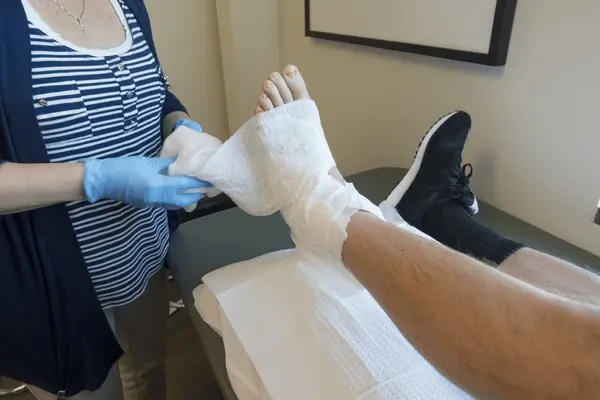
What Is Foot & Ankle Surgery?
Foot and ankle surgery is a medical procedure performed to treat problems in the bones, joints, tendons, ligaments, skin, or soft tissues of your feet and ankles.
Surgery may be considered when pain, deformity, instability, or injury does not improve with non-surgical care. The goal is to improve function, reduce pain, repair damage, or correct structural problems when needed.
Our podiatric office performs different types of surgical and minimally invasive procedures depending on your condition.

Why Choose Foot & Ankle Surgery?
Surgery is not always the first step. In many cases, we begin with non-surgical treatments. But when your condition continues to affect your walking, work, activity, or quality of life, surgery may be the next option.
Foot and ankle surgery may help:
Reduce ongoing pain
Improve foot or ankle alignment
Repair damaged tendons or ligaments
Stabilize weak or unstable joints
Improve walking comfort
Treat deformities that affect your shoes or movement
Support recovery from certain injuries
Your podiatrist will explain whether surgery is appropriate for your specific condition.
Common Conditions We Treat With Surgery
Common conditions that may require surgical care include:
Bunions
A painful bump near the base of the big toe
Hammertoes
Toes that bend abnormally and rub against shoes
Plantar fasciitis
Heel pain from irritated tissue that does not improve with other care
Achilles tendon injuries
Tears or long-term tendon damage
Ankle instability
A weak ankle that gives out or feels unstable
Flatfoot problems
Foot structure changes that affect balance or walking
Broken bones
Fractures or stress fractures in the foot or ankle
Neuromas
Nerve irritation that can cause burning or pain between the toes
Arthritis
Joint damage that causes pain, stiffness, and limited movement
If you have been living with one of these conditions, our podiatric team can evaluate your feet and discuss your treatment options.
Types of Foot & Ankle Surgery
The type of surgery depends on your diagnosis, symptoms, and overall health. Our podiatrist will explain which procedure may fit your condition and why.
Bunion correction
Hammertoe correction
Tendon repair
Ligament repair or reconstruction
Fracture repair
Neuroma removal
Flatfoot reconstruction
Joint surgery for arthritis
Wound or soft tissue procedures
What to Expect During Your Visit
Initial Consultation
We review your symptoms, medical history, medications, activity level, and previous treatments.
Detailed Examination
Our podiatrist examines your foot or ankle, checks movement and stability, and looks for areas of pain or pressure.
Diagnostic Testing
X-rays, ultrasound, MRI, or other imaging may be recommended to better understand your condition.
Diagnosis and Treatment Plan
We explain your diagnosis, review non-surgical and surgical options, and discuss the risks, benefits, and recovery timeline.
Ongoing Care and Support
If surgery is recommended, we guide you through preparation, follow-up visits, healing, and rehabilitation.
Recovering After Your Procedure
Recovery depends on the type of surgery, your health, and how your body heals. Some patients may need a surgical shoe, boot, crutches, or limited weight-bearing for a period of time.
Your recovery plan may include:
Keeping your foot elevated to reduce swelling
Protecting the surgical area
Taking medication
Attending follow-up visits
Starting physical therapy or exercises when recommended
We will give you clear instructions so you know what to do at home.
Locations We Serve
University Podiatry Group provides foot and ankle surgery consultations at several convenient locations.
Westwood Office
Santa Monica Office
Torrance Office
Santa Clarita Office
Porter Ranch Office
Westlake Village Office
Why Choose University Podiatry Group for Foot & Ankle Surgery?
Choosing the right podiatric office matters. At University Podiatry Group, we focus on careful evaluation, clear communication, and treatment plans based on your needs.
Our care includes:
Experienced podiatric surgical care
Personalized treatment planning
Advanced diagnostic evaluation
Non-surgical and surgical treatment options
Clear instructions before and after surgery
Follow-up care during recovery
Schedule Your Foot & Ankle Surgery Consultation
If foot or ankle problems are limiting your movement, University Podiatry Group is here to help you understand your options.
Call us today or request an appointment online.
FAQs
Is foot and ankle surgery always necessary?
No. Surgery is usually recommended only when non-surgical treatments, such as orthotics, injections, medication, or physical therapy, do not provide enough relief.
How long does recovery take after foot surgery?
Recovery time depends on the procedure. Minor procedures may heal in a few weeks, while more complex surgeries can take several months. We will explain your expected timeline before surgery.
Will surgery be painful?
Anesthesia is used during the procedure, so you should not feel pain during surgery. Some soreness, swelling, or discomfort is normal afterward, and we will guide you on pain control and post-op care.
Can I walk right after foot or ankle surgery?
It depends on the surgery. Some patients can walk in a surgical shoe or boot, while others need crutches or limited weight-bearing for a period of time.
Does insurance cover foot and ankle surgery?
Many insurance plans cover medically necessary foot and ankle surgery, but coverage varies. Our front office team can help you check your benefits before your procedure.