
Flat Feet Treatment
Flat Feet Treatment Near You
Do your feet feel tired or sore after a short walk? Do the arches of your feet touch the floor when you stand? If so, you might have flat feet. This is a common condition, and many people have it without pain.
At University Podiatry Group, we help children and adults with flat feet when the condition causes pain, fatigue, or walking concerns. Your feet support your whole body. When they do not have the right support, you may feel discomfort in your feet, ankles, knees, hips, or lower back. Our team is here to evaluate your feet and help you move more comfortably.
What Are Flat Feet?
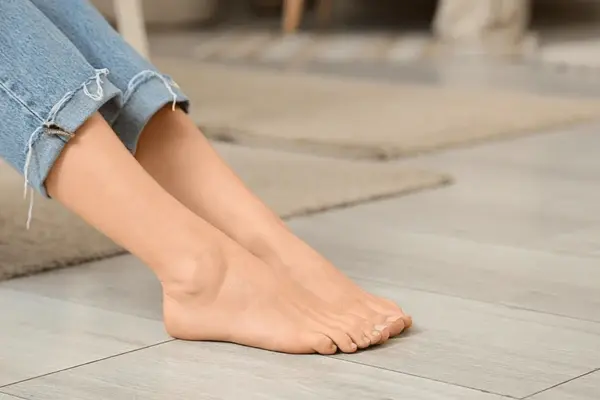
Flat feet, also called pes planus, happen when the arch of the foot is very low or touches the ground when you stand. Some people are born with flat feet, while others develop them over time.
Flat feet may be related to:
Foot or ankle injury
Wear and tear with age
Pregnancy
Excess body weight
Rheumatoid arthritis
Posterior tibial tendon dysfunction
Flat feet do not always cause pain. When they do, discomfort may appear in the heel, arch, ankle, calf, knee, hip, or lower back.
Why Choose Flat Feet Treatment?
Not everyone with flat feet needs treatment. If your feet are painless and work well, monitoring may be enough. But if flat feet are causing pain, fatigue, or walking problems, treatment may help improve your support and comfort.
Flat feet treatment may help:
Reduce foot, ankle, or leg discomfort
Support your arches
Improve walking comfort
Reduce strain on nearby joints
Help your shoes fit and wear more evenly
Support daily activity with less discomfort
Signs You May Have Flat Feet
Here are common signs our podiatrists look for:
Pain or swelling on the inside of your ankle
Foot fatigue after standing or walking
Shoes wearing out unevenly
Feet rolling inward when you walk (called overpronation)
Difficulty standing on your tiptoes
Knee, hip, or lower back discomfort linked to foot mechanics
If these symptoms sound familiar, a foot exam can help you understand what may be causing your discomfort.
Flat Feet Treatment Options
At University Podiatry Group, our podiatrists do not use a one-size-fits-all approach. After evaluating your feet, we build a treatment plan based on your symptoms, foot structure, age, and activity level.
Treatment may include:
Custom orthotics
Shoe inserts made for your feet may help support your arches and improve foot position.
Physical therapy
Targeted exercises may help strengthen the muscles in your feet and ankles.
Supportive footwear guidance
We can help you choose shoes that provide better support and reduce strain.
Stretching programs
Daily stretches may help reduce tightness in the Achilles tendon and calf muscles.
Anti-inflammatory care
Medication, ice, or other options may be used short term to reduce pain and swelling when needed.
Surgical evaluation
In more severe cases, surgery may be discussed if non-surgical treatment does not help.
Most patients start with non-surgical care.
What to Expect During Your Visit
Initial Consultation
We review your symptoms, medical history, activity level, and footwear.
Detailed Examination
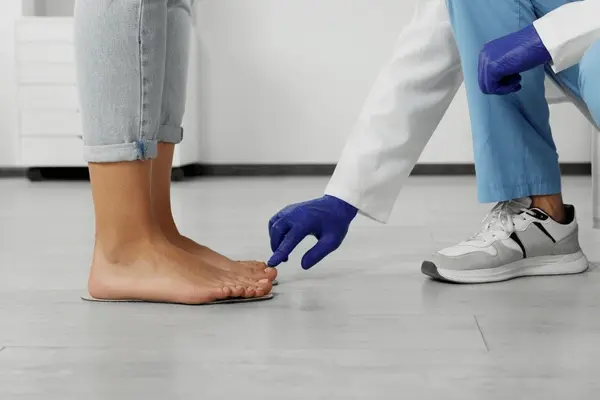
Our podiatrist checks your arches, ankle movement, walking pattern, balance, and areas of pain or swelling.
Diagnostic Testing, if Needed
X-rays or other imaging may be recommended to check bone alignment, joint changes, or tendon concerns.
Treatment Plan
We explain what may be causing your symptoms and review your treatment options in simple language.
Follow-Up Care
Follow-up visits may be recommended to check your comfort, adjust orthotics, or update your treatment plan.
Flat Feet Treatment for Children and Adults
Children often have flexible flat feet while they are growing. Many painless cases do not need treatment. If your child has foot pain, leg pain, frequent tripping, or trouble with activity, a podiatric exam may help.
Adults may develop flat feet because of tendon problems, arthritis, injury, or long-term strain. If your arch appears to be falling over time or your foot shape is changing, it is important to have it checked.
Preventing Flat Feet Symptoms From Getting Worse
You may be able to reduce strain on your feet by:
Wearing supportive shoes
Avoiding worn-out footwear
Stretching your calves and feet
Using orthotics if recommended
Maintaining a healthy weight
Seeking care if pain or swelling does not improve
Locations We Serve
University Podiatry Group offers flat feet treatment at several convenient locations.
Westwood Office
Santa Monica Office
Torrance Office
Santa Clarita Office
Porter Ranch Office
Westlake Village Office
Why Choose University Podiatry Group for Flat Feet Treatment?
We focus on careful evaluation, clear communication, and practical treatment plans.
Our care includes:
Experienced podiatric care
Personalized treatment plans
Modern diagnostic methods
Non-surgical and surgical treatment options
Support for children, adults, and seniors
Follow-up care when needed
Book Your Flat Feet Appointment Today
You do not have to ignore foot pain or tired feet. If flat feet are affecting your comfort, balance, or daily activity, University Podiatry Group is here to help.
Call us today or request an appointment online.
FAQs
Are flat feet a serious medical condition?
Flat feet are not always serious. Many people have flat feet and no pain. If your flat feet cause pain, swelling, balance problems, or changes in how you walk, it is a good idea to see a podiatrist.
Can flat feet be treated without surgery?
Yes. Most symptomatic flat feet are treated first with non-surgical care, such as custom orthotics, supportive shoes, stretching, and physical therapy. Surgery is usually considered only when other treatments do not help.
Are flat feet hereditary?
Yes, flat feet can run in families. They can also develop later in life because of injury, aging, tendon problems, or other health conditions.
At what age should I bring my child in for flat feet?
Many young children have flexible flat feet, and painless cases often do not need treatment. If your child has foot or leg pain, frequent tripping, or difficulty with activity, it is a good idea to schedule an exam.
How long does flat feet treatment take?
It depends on the cause and severity. Some patients feel better within a few weeks of using supportive shoes or orthotics, while others may need longer-term care or physical therapy.