
Bunion Treatment
Bunion Treatment Near You
Does the side of your big toe hurt? Do you have a bony bump forming near your big toe joint? You might have a bunion. At University Podiatry Group, we see bunions often and understand how much they can affect walking, shoes, and daily comfort.
Whether your bunion is just starting or has been bothering you for years, our podiatric team is here to help you understand your options and find care that fits your needs.
What Is a Bunion?
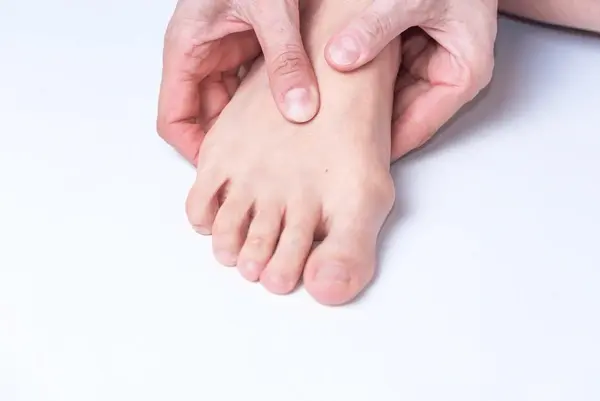
A bunion is a bony bump that forms at the base of your big toe. It happens when the bones in the front of your foot shift out of alignment. Over time, the big toe may lean toward the second toe, and the joint at the base of the big toe may push outward.
Bunions do not usually go away on their own because they involve changes in bone and joint position. Without proper care, they may become more painful over time.
You may notice:
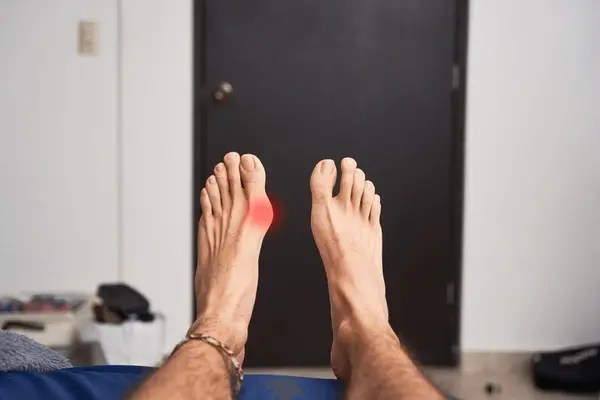
A hard, bony bump on the side of your foot
Redness or swelling around the big toe joint
Pain when walking or wearing shoes
Your big toe leaning toward your second toe
Corns or calluses where your toes rub together
Stiffness or reduced movement in the big toe joint
Bunions can also contribute to other foot problems, such as hammertoes, corns, calluses, or pain in the ball of the foot.
Why Choose Bunion Treatment?
Bunion treatment can help reduce pain, improve shoe comfort, and support better foot function. The right treatment depends on the severity of your bunion, your symptoms, your activity level, and your overall foot health.
Treatment may help:
Reduce pressure on the big toe joint
Improve your comfort when walking or wearing shoes
Manage redness, swelling, and irritation
Support better foot alignment
Reduce painful rubbing between toes
Help you understand whether surgery may be needed
Early care may give you more treatment options and help slow symptom progression.
What Causes Bunions?
Bunions can develop for several reasons. In many cases, they happen slowly over time as pressure builds on the big toe joint. Some people are more likely to get bunions because of the natural shape and structure of their feet.
Common causes and risk factors include:
Family history
Tight or narrow shoes
Flat feet or low arches
Arthritis and joint problems
Daily foot pressure
Bunion Treatment Options
At University Podiatry Group, we take a step-by-step approach to bunion treatment. Our podiatrists examine your foot, review your symptoms, and may take X-rays to see the degree of joint misalignment.
Non-Surgical Treatment
Many patients can manage bunion pain without surgery. Non-surgical care may help reduce pressure, improve comfort, and support daily movement.
Options may include:
- Protective padding: Soft padding can reduce rubbing and irritation around the bunion.
- Custom orthotics: Shoe inserts may help support your feet and reduce pressure on the big toe joint.
- Splints or toe braces: These may help support the toe position and ease discomfort for some patients.
- Corn and callus care: Thickened skin caused by pressure and friction can be treated to improve walking comfort.
- Footwear guidance: Our podiatrists can help you choose shoes with enough room for your toes.
- Exercises and stretching: Simple exercises may help support joint mobility and foot strength.
These treatments do not remove the bunion, but they may help reduce symptoms and make daily activity more comfortable.
Surgical Treatment
When non-surgical care does not provide enough relief, we discuss surgery. Bunion surgery can help realign the joint and correct the bony deformity. The type of procedure depends on the size and severity of your bunion, your foot structure, and your activity needs.
What to Expect During Your Visit
Your visit to University Podiatry Group is designed to be clear and helpful.
Initial Consultation
We review your symptoms, medical history, footwear, and activity level.
Detailed Examination
Our podiatrist checks your big toe joint, foot shape, range of motion, pressure areas, and walking pattern.
Diagnostic Testing, if Needed
X-rays may be recommended to assess joint alignment and the severity of the bunion.
Treatment Plan
We explain your options in simple terms and recommend care based on your needs.
Follow-Up Care
We may recommend follow-up visits to monitor your symptoms and adjust your treatment when needed.
Locations We Serve
University Podiatry Group offers bunion treatment at several convenient office locations.
Westwood Office
Santa Monica Office
Torrance Office
Santa Clarita Office
Porter Ranch Office
Westlake Village Office
Why Choose University Podiatry Group for Bunion Treatment?
Our patients choose us because we focus on careful evaluation, clear communication, and treatment plans that fit their needs.
Our care includes:
Experienced podiatric care
Personalized treatment plans
Advanced diagnostic evaluation
Non-surgical and surgical treatment options
Footwear and pressure-relief guidance
Support for your long-term foot health
Book Your Bunion Appointment Today
Do not wait for your bunion pain to get worse. If your big toe joint hurts or your shoes feel uncomfortable, University Podiatry Group is here to help.
Contact our office today to schedule an appointment and learn more about your treatment options.
FAQs
Can bunions go away without surgery?
No. Bunions involve changes in bone and joint position, so they do not disappear on their own. Non-surgical care may help reduce your pain, pressure, and irritation.
Why did I get a bunion?
Many bunions are related to foot structure and family history. Tight or narrow shoes may also increase pressure on the big toe joint and make symptoms worse.
Does bunion surgery hurt?
Anesthesia is used during surgery so you should not feel pain during the procedure. After surgery, soreness is expected, and we provide instructions to help manage your recovery.
How long is the recovery time?
Recovery depends on the type of procedure and your overall health. Some patients walk in a surgical boot soon after surgery, while others need more time off their feet. We will guide you through the process.
Can I still wear high heels?
High heels can place extra pressure on the big toe joint and may make bunion pain worse. Our podiatrists usually recommend supportive shoes with enough room for your toes.