
Callus Care
Callus Care Near You
You walk thousands of steps every day. Your feet work hard. So it makes sense that your skin sometimes gets thick and tough in certain spots. That thick skin is called a callus. It might not seem like a big deal at first. But if you leave it alone for too long, it can start to hurt and make walking uncomfortable.
At University Podiatry Group, we provide professional callus care focused on both treatment and prevention. We carefully reduce the thickened skin and look for the cause of the pressure or friction so we can help lower the risk of the callus returning.
What Is a Callus?
A callus is a thick, hardened layer of skin. It builds up slowly when one part of your foot is under too much pressure or gets too much rubbing over time. Your skin thickens to protect itself.
Calluses usually form on the:
Bottom of your heel
Ball of your foot
Side of your big toe
They often feel hard and rough. Sometimes the skin looks yellowish or grayish. Most calluses are not painful at first. But as they get thicker, they can cause a dull ache or burning feeling when you walk or stand.
Calluses are different from corns. Corns are smaller and usually have a hard center. They often form on top of or between your toes. Both are caused by friction and pressure, but they may need slightly different care.
Why Choose Callus Care?
A callus may return if the pressure or rubbing continues. Professional care can help reduce thickened skin, relieve pressure, and identify what may be causing the problem.
Callus care help:
Reduce discomfort when walking or standing
Remove thickened skin safely
Lower pressure on painful areas
Identify footwear or walking concerns
Reduce the risk of cracking, bleeding, or infection
Support better daily comfort
If you have diabetes, poor circulation, or nerve problems, do not try to cut or shave a callus at home. Even a small injury can become serious.
What Causes Calluses to Form?
Shoes that are too tight, too loose, or not supportive enough
The callus is painful when you walk or stand
Walking barefoot on hard or rough surfaces
An uneven walking pattern
Foot conditions such as bunions, hammertoes, or flat feet
Long periods of standing, walking, running, or sports
Wearing shoes without socks
At University Podiatry Group, our podiatrist looks beyond the callus itself. Treating the source of pressure or friction is important because removing the thick skin may only provide temporary relief.
Signs You Should See a Podiatrist
You can try moisturizing a mild callus at home. But there are times when you should see us rather than wait.
Schedule an appointment if:
The callus is painful when you walk or stand
The skin is cracked or bleeding
You have diabetes or poor circulation
The callus keeps coming back
You are not sure if it is a callus or something else, such as a plantar wart
If you have diabetes, never try to cut or shave a callus at home. Please see us first.
How We Treat Calluses
We make callus care simple and comfortable. Here is what to expect when you visit University Podiatry Group:
Examination
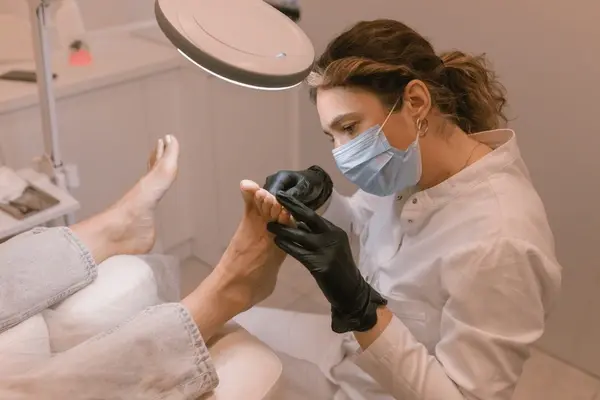
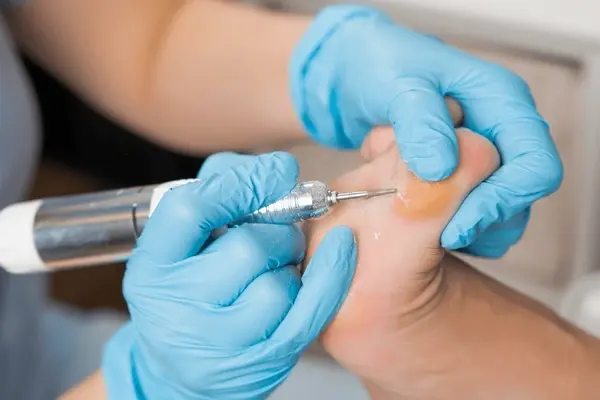
Debridement means carefully reducing the thickened skin. We use sterile instruments to trim the callus in the office.
Debridement
Debridement means carefully reducing the thickened skin. We use sterile instruments to trim the callus in the office.
Pressure Check
We look at what may be causing the extra pressure. It may be your shoes, walking pattern, foot structure, or another concern.
Custom Treatment Plan
After examining your feet, we may recommend:
- Soft padding or cushioning to reduce the pressure
- Custom orthotic insoles to support your feet and spread weight more evenly
- Better footwear options for comfort, support, and fit
- A simple home care routine, including moisturizing creams and safe skin care
Follow-Up
We may schedule a follow-up visit to check your comfort and see whether the callus is returning.
Tips to Help Prevent Calluses at Home
Daily foot care can help lower the risk of painful calluses.
Wear properly fitting shoes that give your toes enough space and support.
Wear clean, comfortable socks.
Apply foot moisturizer daily, especially on dry areas like the heels.
Use cushioned insoles or supportive inserts if recommended.
Avoid walking barefoot on hard floors.
Check your feet often for dry skin, hard areas, or early callus buildup.
If calluses continue to return despite home care, your foot structure or walking pattern may be the cause. Our team can help find the cause and recommend the right treatment.
Communities We Serve
University Podiatry Group provides professional callus care at several convenient locations.
Westwood Office
Santa Monica Office
Torrance Office
Santa Clarita Office
Porter Ranch Office
Westlake Village Office
With several locations available, getting expert callus care and foot treatment is simple and convenient for patients across the area.
Why Choose University Podiatry Group for Callus Care?
Our patients choose us because we treat more than the rough skin. We look at your full foot health and the pressure patterns that may be causing your callus.
Our care includes:
Experienced podiatric care
Safe in-office callus reduction
Personalized treatment plans
Footwear and pressure-relief guidance
Care for children, adults, and seniors
Book Your Callus Care Appointment Today
Painful calluses should not stop you from enjoying daily life. University Podiatry Group is here to provide professional, gentle callus care.
Call our podiatric office today or request an appointment online.
FAQs
Is callus removal painful?
Most patients feel little discomfort during in-office callus reduction. You may feel pressure, but it should not be painful.
Will my callus come back after treatment?
It can come back if the pressure or friction continues. That is why we focus on identifying what may be causing the callus.
Can I treat a callus at home?
Mild calluses may be managed with moisturizer and gentle pumice stone use. If you have diabetes, poor circulation, pain, cracking, or bleeding, please see a podiatrist instead.
How often will I need to come in for treatment?
It depends on how quickly your skin builds up and what is causing the callus. Some patients need regular care, while others need fewer visits once the pressure is reduced.
Do you accept insurance for callus treatment?
Coverage depends on your insurance plan and whether treatment is medically necessary. Our front desk team can help you understand your options.