
Sports Injury Care
Sports Injury Care Near You
Playing sports is a great way to stay healthy, strong, and active. But sports can also put stress on your feet, ankles, and lower legs. Running, jumping, quick turns, and hard landings may lead to pain or injury. At University Podiatry Group, we provide sports injury care to help patients recover safely and return to the activities they enjoy.
Our podiatric office treats athletes of all ages, from children in school sports to adults who enjoy fitness or athletic training. Whether you have heel pain, an ankle sprain, or a foot fracture, our podiatrist can evaluate your condition and create a treatment plan based on your needs.
What Is Sports Injury Care?
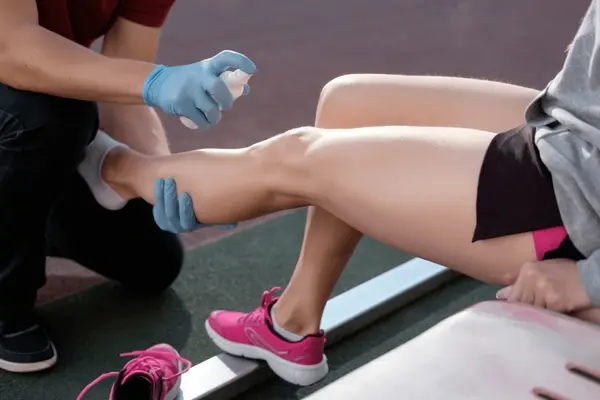
Sports injury care is medical treatment for foot, ankle, and lower leg injuries caused by physical activity. These injuries can happen suddenly, such as a twisted ankle, or develop over time from repeated stress.
A podiatrist is trained to diagnose and treat conditions that affect movement, balance, and foot health. Since your feet and ankles support your body during activity, even a small injury can affect how you walk, run, or play.
Common sports injuries we treat include:
Ankle sprains
Achilles tendonitis
Plantar fasciitis
Stress fractures
Shin splints
Turf toe
Heel pain
Tendon injuries
Flat feet-related pain
Why Choose Sports Injury Care?
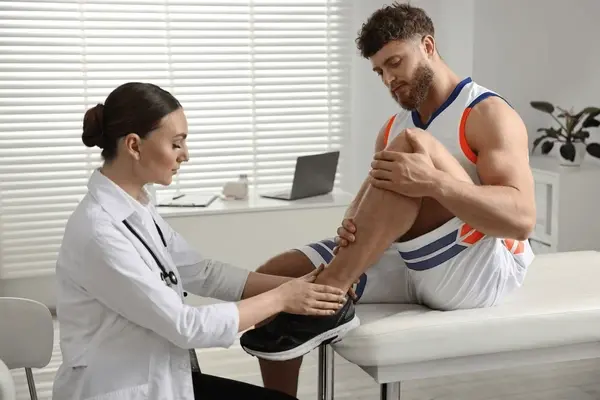
Some sports injuries seem minor at first but can worsen without treatment. Getting care early may help reduce pain, support healing, and lower the risk of repeat injuries.
You should schedule an appointment if you notice:
Foot or ankle pain during or after activity
Swelling or bruising
Trouble walking or running
Heel pain in the morning
Stiffness or weakness
Pain that does not improve with rest
Joint instability
If symptoms continue or affect your activity, it is best to have the injury evaluated.
Sports Injury Treatment Options
At University Podiatry Group, we provide care based on your injury, activity level, and recovery goals.
Physical Exam and Diagnosis
We examine your foot or ankle, review your symptoms, and may use imaging, such as X-rays, to check for fractures, soft tissue injuries, or inflammation.
Custom Orthotics
Custom orthotics may help improve foot support, reduce pressure, and support safer movement during sports or exercise.
Bracing and Support
Ankle braces, walking boots, or taping methods may help protect injured areas while they heal.
Stretching and Rehabilitation
Exercises may help strengthen muscles, improve flexibility, restore balance, and lower the risk of future injury.
Advanced Treatments
For certain conditions, we may recommend anti-inflammatory care, regenerative therapies, or a surgical evaluation if non-surgical care is not enough.
What to Expect During Your Visit
Your visit to University Podiatry Group is designed to be clear and helpful.
Initial Consultation
We review your symptoms, medical history, sport or activity level, footwear, and how the injury happened.
Detailed Examination
Our podiatrist checks your foot, ankle, movement, strength, stability, and areas of tenderness.
Diagnostic Testing, if Needed
X-rays, ultrasound, MRI, or other imaging may be recommended depending on your symptoms and injury.
Diagnosis and Treatment Plan
We explain what causes your pain and review your treatment options.
Ongoing Care and Support
We may recommend follow-up visits to monitor your healing and guide your return to activity.
Preventing Future Sports Injuries
Preventing injury is just as important as treatment. Helpful steps include:
Wearing proper athletic shoes
Stretching before and after activity
Increasing training slowly
Using proper form
Using proper form
Resting when pain starts
Replacing worn-out footwear
Using braces or orthotics if recommended
Healthy feet and ankles can support better movement and help lower the risk of future injuries.
Sports Injury Care for All Ages
Sports injuries can affect children, teens, adults, and older patients. Young athletes may need treatments that support their growth and development, while adults may need treatments that fit their work, exercise, and daily responsibilities.
Our team adjusts care based on each patient’s age, sport, activity level, injury type, and overall health.
Locations We Serve
University Podiatry Group provides sports injury care at several convenient locations.
Westwood Office
Santa Monica Office
Torrance Office
Santa Clarita Office
Porter Ranch Office
Westlake Village Office
Why Choose University Podiatry Group for Sports Injury Care?
University Podiatry Group understands how important movement is to your life. Our podiatric office provides focused care in a professional and supportive setting.
Patients choose us because we offer:
Experienced podiatric care
Personalized treatment plans
Modern diagnostic tools
Non-surgical and advanced treatment options
Education to help reduce the risk of future injuries
Follow-up care
Book Your Sports Injury Appointment Today
Do not let foot or ankle pain keep you from staying active. If a sports injury or ongoing discomfort is making it hard to walk, run, or play, University Podiatry Group is here to help.
Call us today or request an appointment online.
FAQs
When should I see a podiatrist after a sports injury?
You should see a podiatrist if you cannot put weight on your foot, have swelling or bruising, notice instability, or have pain that does not improve after a few days of rest.
Can I still play sports with a minor foot injury?
It depends on the injury. Continuing to play may make some injuries worse. A podiatrist can evaluate your symptoms and let you know when it is safe to return.
What are orthotics?
Orthotics are shoe inserts designed to support your feet. Custom orthotics are made for your foot structure and may help improve support, reduce pressure, and support movement.
Do I need surgery for a sports injury?
Most sports injuries do not need surgery. Treatment may include rest, bracing, orthotics, exercises, or other non-surgical care. Surgery is usually considered only for more serious injuries or cases that do not improve with other treatment.
How can I lower my risk of getting hurt again?
Warm up before activity, stretch regularly, wear supportive shoes, increase your training slowly, and rest when pain starts. Our podiatrist can also recommend braces, orthotics, or exercises when needed.