
Heel Pain Treatment
Heel Pain Treatment Near You

What Is Heel Pain?
Heel pain is discomfort in or around the heel bone. It can happen for many reasons. Some causes are mild, while others may need medical care.
Common causes of heel pain include:
Plantar Fasciitis
Heel Spurs
Achilles Tendinitis
Achilles tendinitis affects the tendon that connects the calf muscles to the heel bone. Pain is often felt at the back of the heel.
Bursitis
Bursitis happens when fluid-filled sacs near the heel become irritated or swollen.
Stress Fractures
Stress fractures are small cracks in the bone. They can happen from repeated pressure, overuse, or a sudden increase in activity.
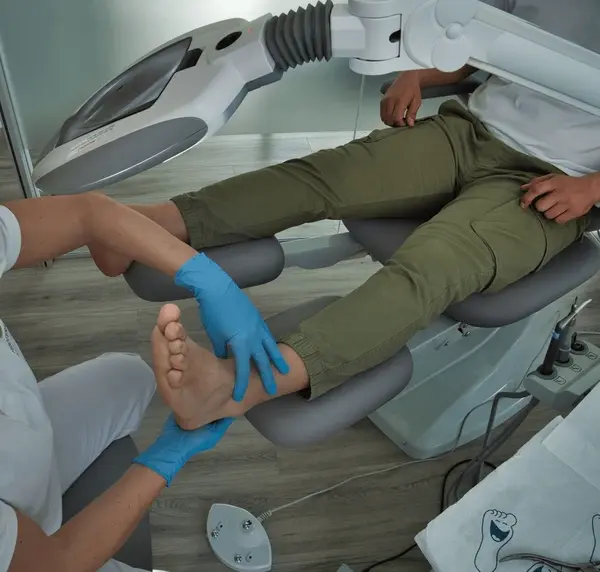
Why Choose Heel Pain Treatment?
Heel pain may seem minor at first, but it can worsen without proper care. Changing how you walk to avoid pain can also place extra stress on the knees, hips, or back.
You should schedule an appointment if you notice:
Pain with your first steps in the morning
Swelling in the heel
Pain after standing for long periods
Trouble walking
Redness or warmth
Pain that does not improve
Pain after a new or increased activity
Early care may help reduce discomfort, protect your movement, and prevent symptoms from becoming more difficult to manage.
Heel Pain Treatment Options
At University Podiatry Group, heel pain treatment starts with understanding what is causing your symptoms. Treatment may include:
Personalized Treatment Plans
Your pain, foot shape, lifestyle, and activity level all matter. We evaluate your condition and create a plan based on your needs.
Custom Orthotics
Custom orthotics are inserts designed for your feet. They may help support your arches, improve alignment, and reduce pressure on your heels while walking or standing.
Stretching and Physical Therapy
Tight muscles, tendons, or ligaments can make heel pain worse. Stretching exercises or physical therapy may improve flexibility, strengthen the foot, and reduce stress on the heel.
Anti-Inflammatory Care
Depending on your needs, treatment may include medication, icing, or other therapies to help reduce inflammation and discomfort.
Footwear Support and Guidance
Wearing unsupportive shoes can place extra pressure on the heel. Our team can recommend footwear options that provide better cushioning and stability.
Advanced Podiatric Treatments
If heel pain is more severe or does not improve with basic care, we may discuss options such as injections, shockwave therapy, or other podiatric treatments.
What to Expect During Your Visit
Your visit to University Podiatry Group is designed to be clear and helpful.
Initial Consultation
Our podiatrist reviews your symptoms, medical history, activity level, and footwear.
Detailed Examination
We check your heel, arch, ankle movement, walking pattern, and areas of tenderness.
Diagnostic Testing, if Needed
X-rays, ultrasound, or other imaging may be recommended to check for heel spurs, stress fractures, tendon issues, or other causes of pain.
Diagnosis and Treatment Plan
We explain what may be causing your heel pain and review your treatment options in simple language.
Ongoing Care and Support
We may recommend follow-up visits to check your progress and adjust your treatment if needed.
Preventing Future Heel Pain
Healthy feet need proper support. Here is some advice to lower your risk of future heel pain:
Wear supportive shoes.
Stretch your feet and calves.
Replace worn-out footwear.
Avoid sudden increases in activity.
Rest when your pain begins.
Seek care if your symptoms do not improve.
Taking care of your feet now can help protect them later.
Locations We Serve
University Podiatry Group proudly provides care through multiple convenient office locations.
Westwood Office
Santa Monica Office
Torrance Office
Santa Clarita Office
Porter Ranch Office
Westlake Village Office
Why Choose University Podiatry Group for Heel Pain Treatment?
When your heel hurts, you need care that focuses on the cause of your symptoms, not just the pain itself. Patients choose University Podiatry Group because we provide:
Experienced podiatric care
Detailed foot and gait evaluation
Diagnostic imaging
Personalized treatment plans
Clear explanations in simple terms
Conservative and advanced treatment options
Book Your Appointment Today
If heel pain is making it hard to walk, stand, or enjoy your day, University Podiatry Group is ready to help. Call us today or request an appointment online.
FAQs
How long does it take for heel pain to go away?
It depends on the cause and severity of the pain. Some patients improve in a few weeks, while others may need several months of treatment and support.
Can wearing the wrong shoes cause heel pain?
Yes. Shoes without enough support or cushioning can increase stress on the heel and contribute to pain over time.
Why does my heel hurt most in the morning?
Morning heel pain is common with plantar fasciitis. The tissue along the bottom of the foot can tighten overnight, then stretch suddenly when you take your first steps.
Can I still exercise with heel pain?
You may need to switch to low-impact activities such as swimming or biking while symptoms improve. Running and jumping may make heel pain worse.
Do store-bought shoe inserts work?
Store-bought inserts may help some patients with mild discomfort. Custom orthotics are made from a mold or scan of your feet and may provide more specific support when needed.