
Plantar Fasciitis Treatment
Plantar Fasciitis Treatment Near You
Heel pain can make simple things feel hard. Walking to work, standing in the kitchen, or getting out of bed in the morning may become painful. One common cause of heel pain is plantar fasciitis. This happens when the plantar fascia, a thick band of tissue on the bottom of your foot, becomes irritated.
At University Podiatry Group, we provide plantar fasciitis treatment to help reduce heel pain, improve movement, and support healing. Our podiatric team focuses on finding the cause of your pain and creating a treatment plan that fits your needs.
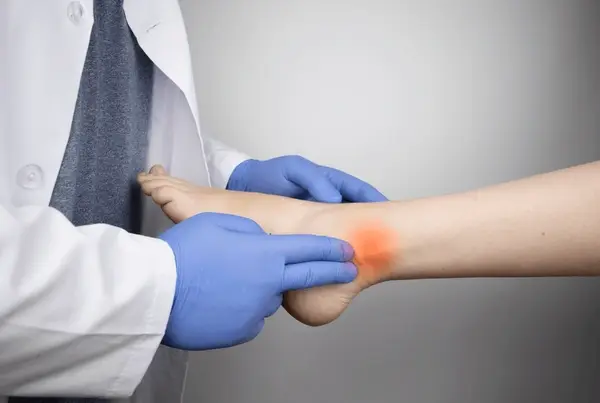
What Is Plantar Fasciitis?
The plantar fascia is a thick band of tissue that runs along the bottom of the foot and connects the heel bone to the toes. It helps support the arch of the foot.
Plantar fasciitis can develop when this tissue becomes strained or irritated. It often causes pain near the bottom of the heel, especially with the first steps in the morning or after sitting for a long time.
Common signs of plantar fasciitis include:
Sharp heel pain with your first steps in the morning
Pain after sitting or resting
Aching along the bottom of the foot
Pain that gets worse after long periods of standing
Discomfort after exercise
This condition can affect one foot or both feet. It is common in runners, people who stand for long periods, and patients with flat feet, high arches, or tight calf muscles.
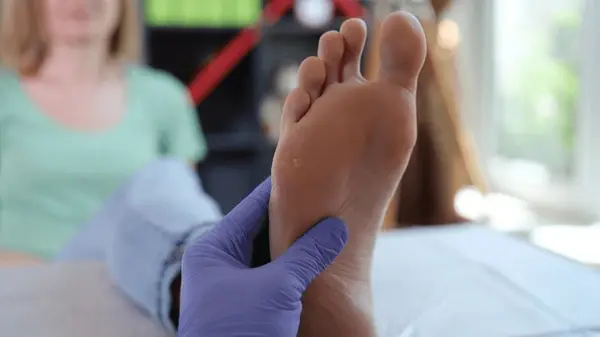
Why Choose Plantar Fasciitis Treatment?
Plantar fasciitis can become harder to manage if heel pain is ignored. Getting care early may help reduce pain, improve walking comfort, and prevent changes in the way you move.
Treatment may help:
Reduce heel and arch pain
Improve walking and standing comfort
Support better foot mechanics
Lower strain on the plantar fascia
Reduce the risk of ongoing symptoms
Help you return to daily activities more comfortably
Common Causes and Risk Factors
Several factors can increase stress on the plantar fascia, including:
Reduce pain faster
Running or repetitive impact activities
Shoes without enough arch support
Flat feet or high arches
Tight calf muscles or Achilles tendons
Weight gain or increased pressure on the feet
Our podiatrist will assess your symptoms, foot structure, and activity level to understand what may be contributing to your heel pain.
Treatment Options for Plantar Fasciitis
At University Podiatry Group, plantar fasciitis treatment may include different options based on your symptoms and exam findings.
Stretching and Home Care
Stretching the calf muscles and plantar fascia can help reduce tension on the heel. Ice, rest, and activity changes may also help manage symptoms.
Supportive Shoes and Orthotics
Supportive footwear and custom orthotics may help reduce pressure on the heel and improve foot support.
Night Splints
Night splints may be recommended to keep the foot gently stretched while you sleep.
Medication or Injections
Anti-inflammatory medication or injections may be considered when pain and inflammation need more support.
Shockwave Therapy
Shockwave therapy may be recommended for some patients with ongoing symptoms that do not improve with basic care.
Surgery is rarely needed and is usually considered only when long-term conservative treatment has not helped.
What to Expect During Your Visit
Your visit to University Podiatry Group is designed to be clear, comfortable, and helpful.
Initial Consultation
We review your symptoms, medical history, daily activity, and footwear.
Detailed Examination
Our podiatrist checks your heel, arch, ankle movement, walking pattern, and areas of tenderness.
Diagnostic Testing, if Needed
X-rays or other imaging may be recommended to rule out other causes of heel pain, such as a stress fracture or arthritis.
Diagnosis and Treatment Plan
We explain what may be causing your pain and review treatment options in simple language.
Ongoing Care and Support
Follow-up visits may be recommended to check your progress and adjust your treatment plan if needed.
Plantar Fasciitis Treatment for All Ages
Heel pain can affect adults, athletes, workers who stand for long hours, and older patients. Treatment is based on your symptoms, activity level, foot structure, and overall health.
Our team adjusts your care to support your daily needs, whether your goal is walking comfortably, returning to exercise, or standing at work with less pain.
Preventing Plantar Fasciitis From Coming Back
Preventive care can help reduce future flare-ups.
Wear supportive shoes.
Stretch your calves and feet regularly.
Avoid sudden increases in activity.
Replace worn-out footwear.
Seek care if your heel pain returns.
Locations We Serve
University Podiatry Group proudly serves patients through multiple office locations.
Westwood Office
Santa Monica Office
Torrance Office
Santa Clarita Office
Porter Ranch Office
Westlake Village Office
Why Choose University Podiatry Group for Plantar Fasciitis Treatment?
At University Podiatry Group, we take time to understand your pain, activity level, and foot structure before recommending treatment.
Our care includes:
Experienced podiatry providers
Detailed foot and gait evaluation
Conservative and advanced treatment options
Clear explanations in simple language
Personalized treatment plans
Follow-up care when needed
Book Your Appointment Today!
If heel pain or plantar fasciitis is making it hard to walk, stand, or enjoy your day, University Podiatry Group is ready to help.
Call us today or request an appointment online.
FAQs
How long does plantar fasciitis take to heal?
Healing time varies. Mild cases may improve in a few weeks, while more persistent cases can take several months. Starting treatment early may help prevent symptoms from lasting longer.
Can I still exercise with plantar fasciitis?
Yes, but you may need to adjust your activity. Low-impact options such as swimming or cycling may be easier on the heel. Running and jumping may make symptoms worse.
Do I need surgery for plantar fasciitis?
Most patients do not need surgery. Conservative treatments such as stretching, supportive shoes, orthotics, and activity changes often help. Surgery is usually considered only for long-term cases that do not improve with other care.
Will custom orthotics help plantar fasciitis?
Custom orthotics may help some patients by improving support and reducing pressure on the plantar fascia. Our podiatrist can determine whether they are right for your feet.
Is plantar fasciitis the same as a heel spur?
No. A heel spur is a small bony growth on the heel bone. It can occur with plantar fasciitis, but many heel spurs do not cause pain.